Waterproof Outdoor Lights: The Ultimate Guide to Weather-Ready Illumination
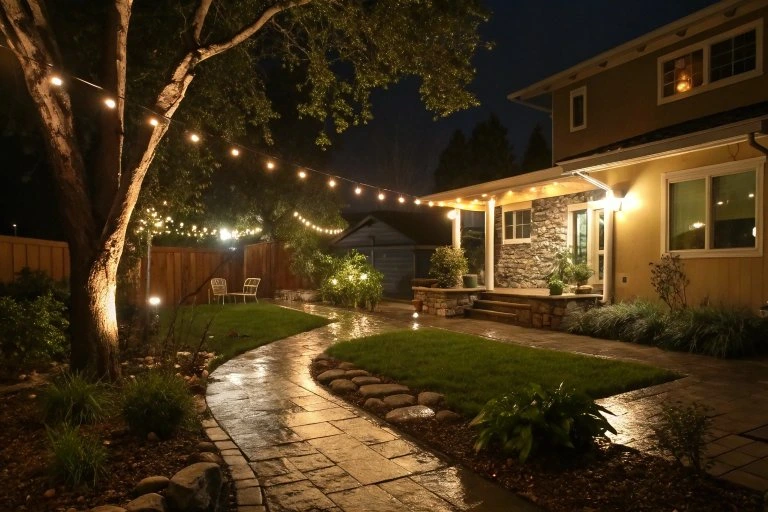
Last night, I stood in my backyard watching raindrops dance across my new garden lights. Not a flicker. Not a short. Just steady, beautiful illumination cutting through the darkness despite Mother Nature’s best attempts. That’s the magic of waterproof outdoor lights done right—and I’m here to help you experience it too.
Have you ever installed the perfect outdoor lighting setup, only to have it fail during the first rainstorm? Or maybe you’re planning your first outdoor lighting project and feeling overwhelmed by technical jargon like “IP ratings” and “wet vs. damp rated.” You’re not alone.
In this comprehensive guide, we’ll illuminate everything you need to know about waterproof outdoor lights—from understanding waterproof ratings to selecting the perfect fixtures for your specific outdoor environment. Whether you’re lighting up a cozy patio, creating a backyard wonderland, or boosting your home’s security, this article will be your beacon through the sometimes murky waters of outdoor lighting.

Table of Contents
Understanding Waterproof Ratings: The IP Code System
Ever wondered what those “IP65” or “IP44” labels on your outdoor lights actually mean? Let’s decode this mystery together.
What Does IP Mean in Outdoor Lighting?
IP stands for “Ingress Protection,” and it’s essentially a rating system that tells you how well an electrical enclosure (like your outdoor light fixture) can resist intrusion from foreign bodies—specifically dust and water. When you see an IP rating, you’re looking at a two-digit code that gives you crucial information about your light’s durability.
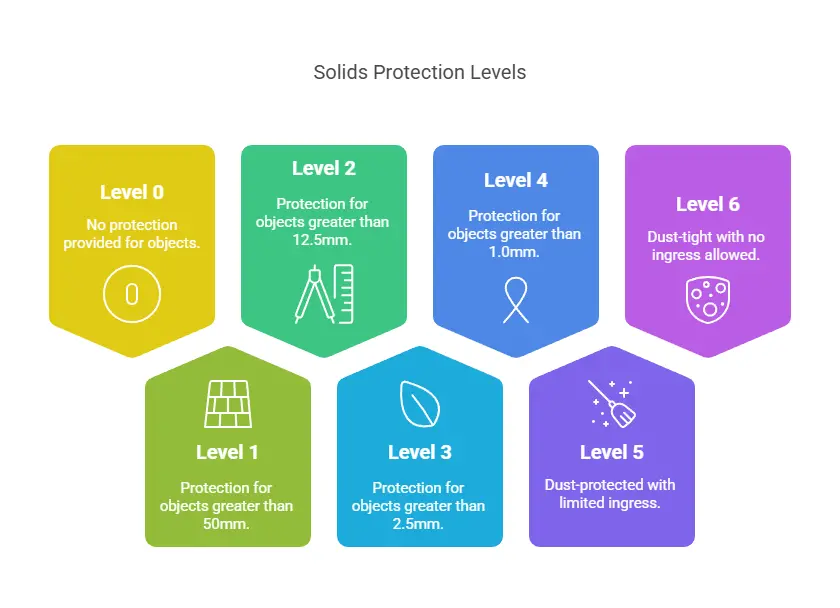
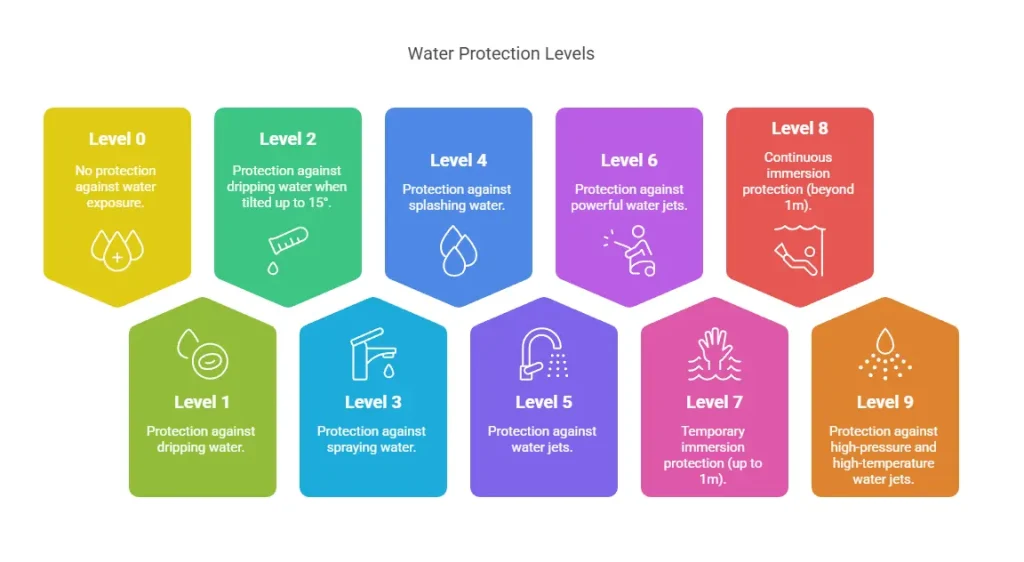
When choosing waterproof outdoor lights, understanding IP ratings is essential. The first digit (from 0-6) indicates protection against solid objects, from hands and tools down to fine dust. The second digit (from 0-9) tells you how well the fixture resists water, from dripping water to high-pressure jets and even complete submersion.
What Is the Best Rating for Waterproof Outdoor Lights?
I’m often asked what IP rating is “best” for outdoor lighting. The truth is, it depends on where you’re installing the lights and what elements they’ll face.
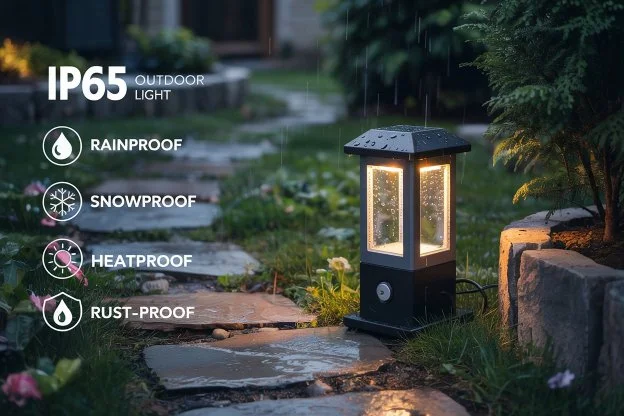
For most general outdoor lighting applications in residential settings, an IP65 rating offers an excellent balance of protection and cost-effectiveness. This rating means the fixture is completely dust-tight and can withstand water jets from any direction—more than enough to handle heavy rain and snow.
However, if your lights will be installed in areas with standing water or potential submersion (like near a pool or in a flood-prone area), consider stepping up to IP67 or IP68 rated fixtures.
Which Is More Waterproof, IP44 or IP65?
This one’s straightforward: IP65 provides significantly better water protection than IP44.
An IP44 rating means the fixture is protected against solid objects larger than 1mm (like tools and small wires) and against water splashing from any direction. This makes IP44 fixtures suitable for covered outdoor locations that won’t face direct, heavy rain—think covered porches or under-eave installations.
IP65, on the other hand, offers complete dust protection and resistance to water jets from any direction. This makes IP65 fixtures appropriate for exposed outdoor locations that will experience direct rainfall and weather.
As Moonlight Design explains, “IP44 is the minimum requirement for outdoor use, but for truly exposed locations, IP65 or higher is recommended.”
What Is the Strongest Waterproof Rating?
The highest standard waterproof rating is IP68, which indicates the fixture is completely dust-tight and protected against continuous immersion in water beyond 1 meter in depth. Some specialized fixtures may also carry an IP69K rating, which adds protection against high-pressure, high-temperature water jets.
For context, IP68 fixtures are so waterproof that they can be installed underwater in fountains and pools. Unless you’re planning a submarine lighting system, this level of protection is typically more than necessary for standard residential waterproof outdoor lights.
Is IP65 Enough for Rain?
Yes, absolutely! IP65 fixtures are protected against water jets from any direction, which is more than sufficient to handle even heavy, wind-driven rain. When I renovated my backyard last summer, I installed IP65 path lights throughout my garden in rainy Seattle, and they’ve performed flawlessly through multiple Pacific Northwest downpours.
According to Outdoor Lights Store, “IP65 rated fixtures are ideal for most outdoor installations as they provide excellent protection against the elements without the premium cost of higher-rated fixtures.”
Is IP64 OK for Heavy Rain?
IP64 offers solid protection against dust and splashing water, but it’s not ideal for locations that will experience heavy, direct rainfall or powerful storms. The “4” in the water protection digit indicates resistance to water splashing from any direction, which is less protection than the “5” rating that can handle water jets.
For areas that will face heavy rainfall, especially if accompanied by wind, I’d recommend stepping up to at least IP65. The price difference is often minimal, but the additional protection can significantly extend the life of your lighting investment.
Interactive IP Rating Guide
Click on each rating to learn more about what it means for your outdoor lighting needs.
IP Rating Selection Guide for Waterproof Outdoor Lights
| Installation Location | Weather Exposure | Recommended IP Rating | Cost Indicator |
|---|---|---|---|
| Covered porch ceiling | Protected from direct rain | IP44 | $ |
| Wall-mounted by entry door | Partial exposure to rain | IP44-IP65 | $$ |
| Garden pathway | Direct rainfall | IP65 | $$ |
| Deck or patio lighting | Direct rainfall, possible splashing | IP65 | $$ |
| Ground level/floodlights | Direct rainfall, potential standing water | IP67 | $$$ |
| Near pool or water features | High splash exposure, occasional submersion | IP67 | $$$ |
| Underwater/fountain | Continuous submersion | IP68 | $$$$ |
Application Guide: Choose the Right Waterproof Outdoor Lights
Lighting fixtures under a roof overhang with minimal direct water exposure.
Path lights exposed to direct rainfall and possibly sprinkler systems.
Lights installed close to ponds, fountains, or in areas prone to standing water.
Submersible lights for pools, ponds, and water features.
Outdoor Light Safety & Durability
Can Outdoor Lights Get Rained On?
One of the most common questions I hear about outdoor lighting is whether it’s safe for fixtures to get rained on. The answer depends entirely on the lights’ IP rating.
Properly rated outdoor lights (IP44 and above) are specifically designed to withstand rain to varying degrees. However, standard indoor fixtures or those with inadequate IP ratings can pose serious safety risks if exposed to moisture.
As Lumazlife notes, “Using lights with inadequate waterproofing outdoors doesn’t just risk damaging the fixture; it creates potential electrical hazards and fire risks.”
Can LED Lights Survive Rain?
LED technology itself is inherently more resistant to moisture than traditional incandescent bulbs due to its solid-state nature. However, that doesn’t mean all LED lights are automatically rainproof.
The weatherproofing of an LED light depends on its housing and sealing, not just the LED components themselves. A properly waterproofed LED fixture (with an appropriate IP rating) will absolutely survive rain and continue to function perfectly.
I’ve had IP65-rated LED path lights in my garden for over three years now, exposed to everything from light drizzles to thunderstorms, and they’re still working as brilliantly as the day they were installed.
What Happens If Water Gets Into Outside Light?
When water infiltrates an outdoor light that isn’t properly waterproofed, several problems can occur:
- Short circuits: Water is conductive and can create electrical shorts that damage the fixture’s components.
- Corrosion: Moisture leads to corrosion of metal parts, connections, and circuitry.
- Electrical hazards: Water infiltration can create dangerous electrical conditions that pose shock risks.
- Reduced lifespan: Even small amounts of moisture can significantly reduce the operational life of lighting components.
- Light failure: Eventually, water damage will cause the light to fail completely.
Why Do My Outdoor Lights Have Water in Them?
Finding water inside your outdoor lights usually indicates one of several issues:
- Inadequate IP rating for the installation location
- Seal degradation due to age, UV exposure, or temperature fluctuations
- Improper installation that allows water ingress around wiring entry points
- Condensation from temperature differentials (sometimes mistaken for water infiltration)
If you’re seeing water accumulation in lights that should be properly waterproofed, check the fixture’s age, installation quality, and whether the IP rating is appropriate for its location. Condensation, while less concerning than direct water infiltration, still indicates that moisture is getting into places it shouldn’t.

Installation & Protection Strategies
How Do You Waterproof Outdoor Lights?
While purchasing lights with appropriate IP ratings is the most reliable approach, there are additional steps you can take to enhance the waterproofing of your outdoor lighting system:
- Use waterproof junction boxes for all electrical connections
- Apply silicone sealant around fixture bases and wire entry points
- Install fixtures under eaves or overhangs when possible
- Elevate ground-level fixtures slightly to prevent standing water contact
- Use waterproof wire connectors with dielectric grease
- Regularly inspect seals and gaskets for signs of wear
I learned this lesson the hard way when I first installed pathway lighting without proper sealing around the wire connections. After the first heavy rain, three lights stopped working due to water infiltration at the connection points. A quick fix with waterproof wire nuts and some silicone sealant solved the problem permanently.
Do Outdoor Lights Need to Be Covered?
Not necessarily, provided they have an appropriate IP rating for their exposure level. That said, additional covering or strategic placement can extend the lifespan of even well-rated fixtures.
Consider these placement strategies:
- Position lights under roof overhangs when possible
- Use landscaping features as natural shelters
- Install in locations that minimize direct water exposure
- Consider decorative covers that complement your design while adding protection
Why Must Outdoor Lighting Be Protected from the Weather?
Beyond the obvious risk of electrical hazards, weather protection for outdoor lighting serves several important purposes:
- Safety: Prevents electrical shorts that could pose fire or shock hazards
- Longevity: Dramatically extends the operational life of lighting components
- Reliability: Ensures lights function consistently regardless of weather conditions
- Performance: Maintains optimal light output without water interference
- Efficiency: Prevents energy waste from compromised electrical components
According to Liquid LEDs, “Properly protected outdoor lighting not only performs better but typically delivers 3-5 times the operational lifespan of inadequately protected fixtures.”
Wet vs. Damp Ratings: Understanding the Difference
Beyond IP ratings, you’ll sometimes see outdoor lights classified as “wet-rated” or “damp-rated” in North American markets. These designations align roughly with IP ratings but use different terminology.
What Is the Difference Between Wet Rated and Damp Rated Lights?
Damp-rated fixtures are designed for locations protected from direct water exposure but subject to moisture and humidity. Think covered porches, underneath eaves, or indoor bathrooms. These correspond roughly to IP44 ratings.
Wet-rated fixtures are designed to withstand direct exposure to rain, snow, and other precipitation. These generally correspond to IP65 or higher ratings and can be installed in fully exposed outdoor locations.
Do Outdoor Lights Need to Be Wet Rated?
If your lights will be directly exposed to rainfall, snow, or other precipitation, then yes, they should be wet-rated. For protected outdoor areas like covered patios, damp-rated fixtures may be sufficient.
I always recommend erring on the side of caution. Even if a fixture is installed in a seemingly protected area, unexpected weather conditions like wind-driven rain can still expose it to moisture. The cost difference between damp-rated and wet-rated fixtures is typically small compared to the peace of mind and longevity benefits.
Can Wet-Rated Lights Be Used in a Shower?
Yes, wet-rated lights that meet appropriate IP standards (typically IP65 or higher) can be used in shower areas. However, there are additional electrical code requirements to consider, including:
- GFCI protection
- Minimum distance requirements from water sources
- Proper electrical boxes and connections
- Compliance with local building codes
Before installing any lighting in shower areas, consult with a qualified electrician familiar with local code requirements. While the fixtures themselves may be waterproof enough, the installation must meet specific safety standards.
Special Cases: From Holiday Lights to Underwater Applications
Is It OK for Outdoor Christmas Lights to Get Wet?
Modern outdoor Christmas lights are generally designed to withstand moisture, but their waterproof ratings vary considerably. Look for lights specifically labeled for outdoor use, which typically offer at least IP44 protection.
For greater reliability, particularly in regions with harsh winter weather, consider LED Christmas lights with IP65 or higher ratings. These fixtures will withstand even heavy snow and ice conditions without failing.
When purchasing holiday lights, I recommend looking for the specific IP rating rather than just “indoor/outdoor” designations. The modest price premium for better waterproofing pays dividends in reliability and longevity.
Why Do My Outdoor Christmas Lights Go Out When It Rains?
If your Christmas lights fail during rainy conditions, several issues could be at play:
- Insufficient waterproofing of the lights themselves
- Water infiltration at connection points between light strands
- Moisture in the power supply or controller
- GFCI outlet tripping due to detected leakage current
- Voltage drop from water creating partial short circuits
The most common culprit is poor waterproofing at connection points between light strands. Even if the lights themselves are adequately rated, the connections between strands are often vulnerable. Wrapping these junction points with electrical tape or using purpose-made waterproof connector covers can solve this issue.
Can LED Strip Lights Go in Water?
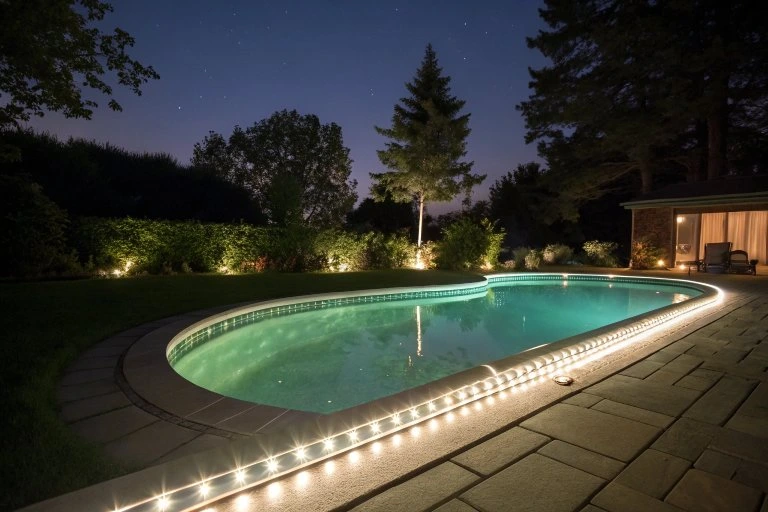
Standard LED strip lights cannot go in water unless they specifically carry an IP67 or IP68 rating. However, waterproof LED strip variants are widely available for underwater or highly exposed applications.
These waterproof strips typically use one of three protection methods:
- Silicone coating: Flexible, transparent coating over the entire strip
- Sealed tube enclosure: Strip contained within a waterproof tube
- Potted encapsulation: Components fully embedded in waterproof resin
For reliable underwater performance, look specifically for IP68-rated LED strips designed for submersion. These products typically cost 30-50% more than standard strips but offer genuine waterproof performance for water features, pools, and other aquatic applications.
Practical Considerations for Specific Applications
How Many Lumens Is Good for an Outdoor Security Light?
For effective security lighting, lumen output requirements vary based on the coverage area:
- Entryways: 300-700 lumens
- Pathways: 100-200 lumens per fixture
- Driveways: 700-1300 lumens
- Large areas/floodlighting: 700-2400 lumens
Security lights should provide sufficient illumination without creating harsh glare or deep shadows that could actually reduce visibility. Motion-activated security lights can use higher lumen outputs since they operate intermittently.
I recently installed 1000-lumen motion sensor floods at my home’s rear corners, and they provide excellent security coverage without creating light pollution for neighbors.
What Makes a Light Fixture Outdoor-Rated?
Outdoor-rated light fixtures incorporate several specific design elements:
- Weather-resistant materials (UV-stabilized plastics, powder-coated metals, etc.)
- Sealed housing with gaskets or permanent seals
- Proper drainage to prevent water accumulation
- Corrosion-resistant hardware and components
- Temperature tolerance for local climate extremes
- Appropriate IP rating for the intended installation location
- UV-resistant lens materials that won’t yellow or degrade
- Reinforced wire glands or sealed entry points for electrical connections
These features work together to create a durable system that can withstand years of exposure to environmental stressors.
Are LED Lights Safe to Leave on Overnight?
Yes, quality LED outdoor lights are extremely safe to leave on overnight. In fact, LEDs offer several advantages that make them ideal for overnight operation:
- Low heat output minimizes fire risk
- Low energy consumption makes continuous operation affordable
- Long lifespan isn’t significantly affected by being left on
- No warm-up time means they can be motion-activated effectively
For security purposes, low-brightness landscape lighting left on throughout the night can actually be more effective than bright lights that create stark shadows. A subtle lighting approach makes intruders visible while preserving your night vision and minimizing light pollution.
Making the Right Choice for Your Outdoor Lighting Needs
When selecting waterproof outdoor lights for your specific application, consider these key factors:
- Exposure level at the installation location
- Local climate conditions (rainfall, humidity, temperature extremes)
- Mounting position (wall, ceiling, ground, underwater)
- Aesthetic requirements and design integration
- Power source availability (hardwired, solar, battery)
- Maintenance accessibility for future bulb changes or repairs
- Light output needs for the specific application
- Control requirements (motion sensing, timers, smart integration)
By carefully evaluating these factors, you can select lighting with appropriate waterproof ratings that balance performance, longevity, and cost-effectiveness.
Conclusion: Illuminating Your Outdoor Space with Confidence
Waterproof outdoor lighting transforms your exterior spaces, extending your living area beyond four walls while enhancing safety, security, and ambiance. By understanding IP ratings and selecting appropriately weatherproofed fixtures, you can create lighting systems that withstand the elements for years to come.
Remember that the best waterproof rating is the one that matches your specific installation needs—there’s no need to pay premium prices for IP68 submersible fixtures if you’re installing under a covered porch. Conversely, trying to save money with inadequately rated fixtures in exposed locations ultimately costs more in replacements and repairs.
I hope this guide has illuminated the sometimes confusing world of waterproof outdoor lights. Whether you’re creating a magical backyard oasis, lighting pathways for safety, or boosting security around your property, the right waterproof fixtures will ensure your lighting vision shines brightly through rain, snow, and whatever else Mother Nature sends your way.
Have you installed waterproof outdoor lighting at your home? What IP rating worked best for your specific application? Share your experiences in the comments below!